The First Table of the Night
For dinner on embarkation day, I skipped the restaurants that need a reservation and simply walked into S.A.L.T. Kitchen — no booking required, just walk in and be seated. It is the restaurant of the S.A.L.T. (Sea and Land Taste) culinary program, aboard Silver Moon on Deck 4, and its idea is a charming one: wherever the ship sails, the menu follows.
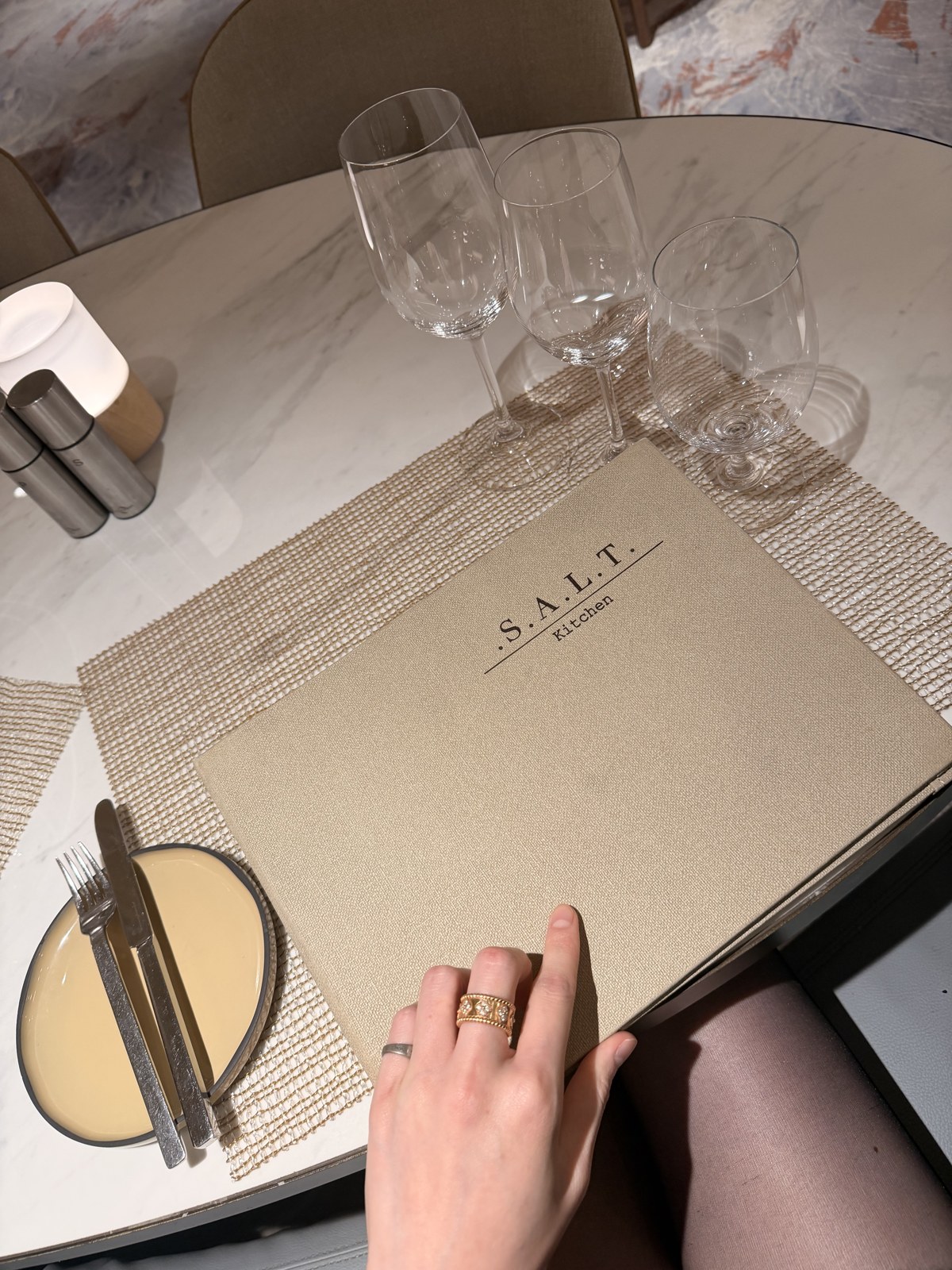
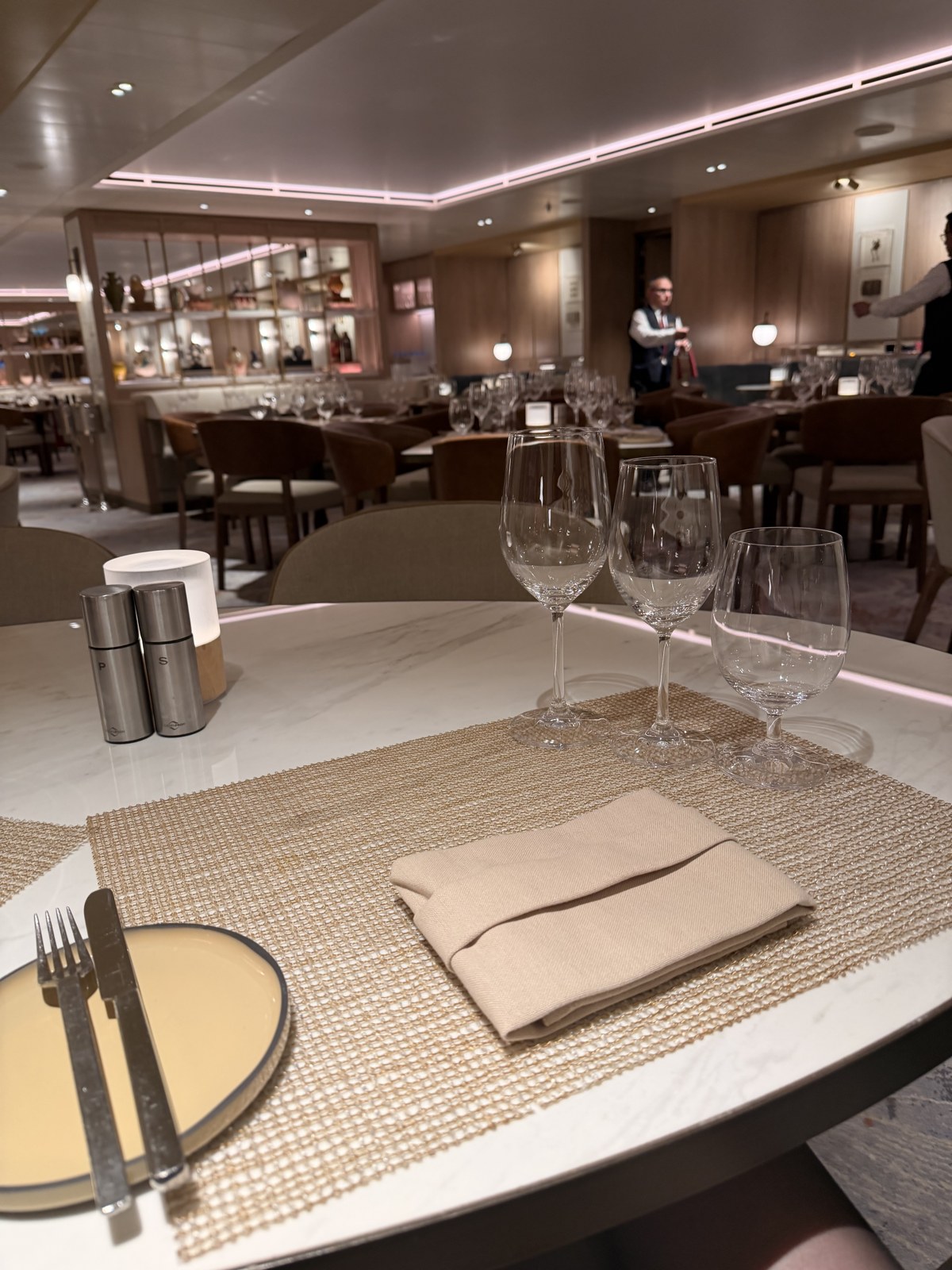
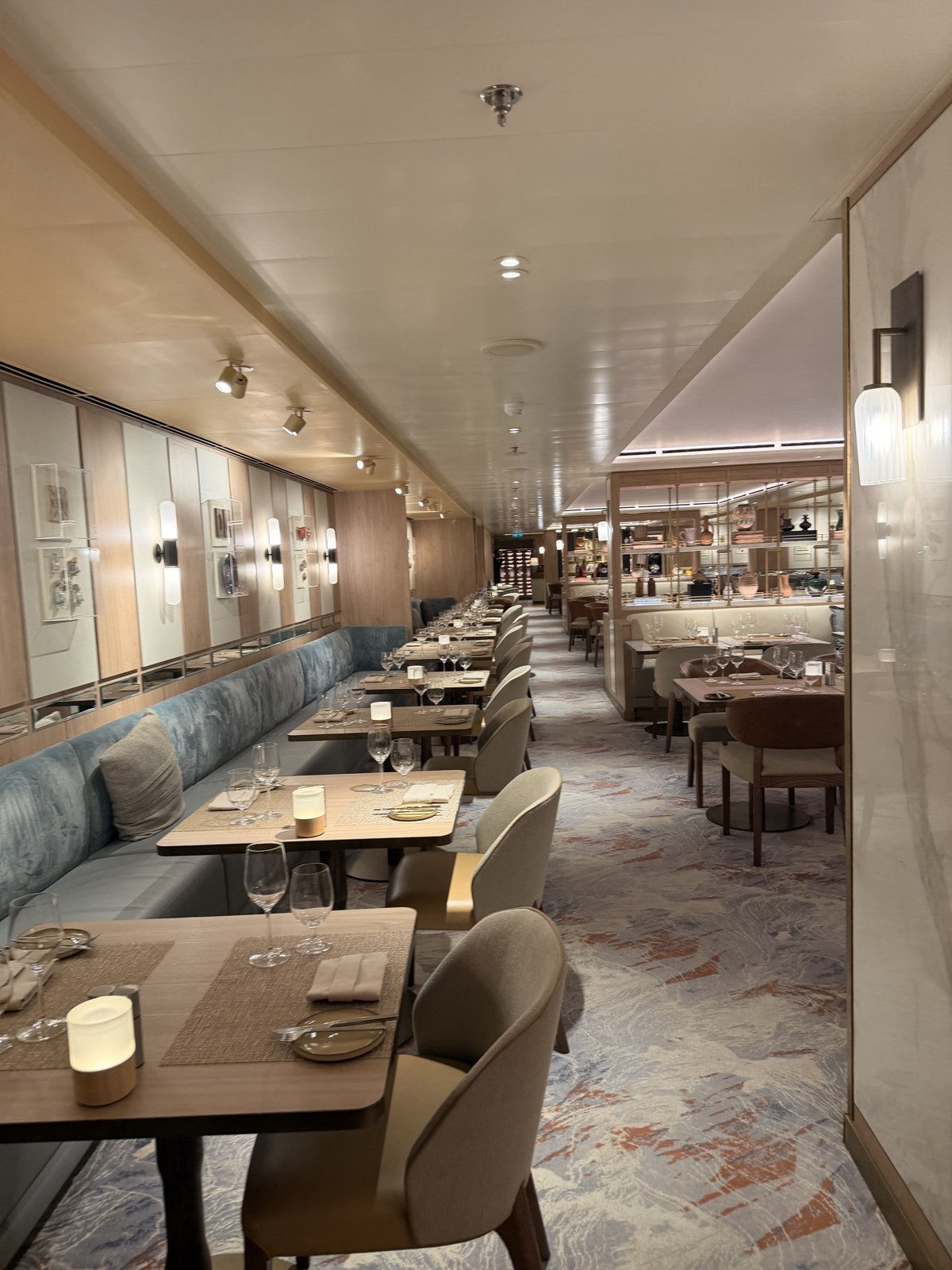
The dining room glows with quiet warmth — marble tabletops, woven placemats, a long blue banquette and small table lamps, shelves lined with pottery, the light wrapping the whole space in a soft embrace. I sat down, and the staff handed me the menu; on its cover, a single line — S.A.L.T. Kitchen. Dinner began right there.
Two Menus: One Eats the Port, One Eats the Voyage
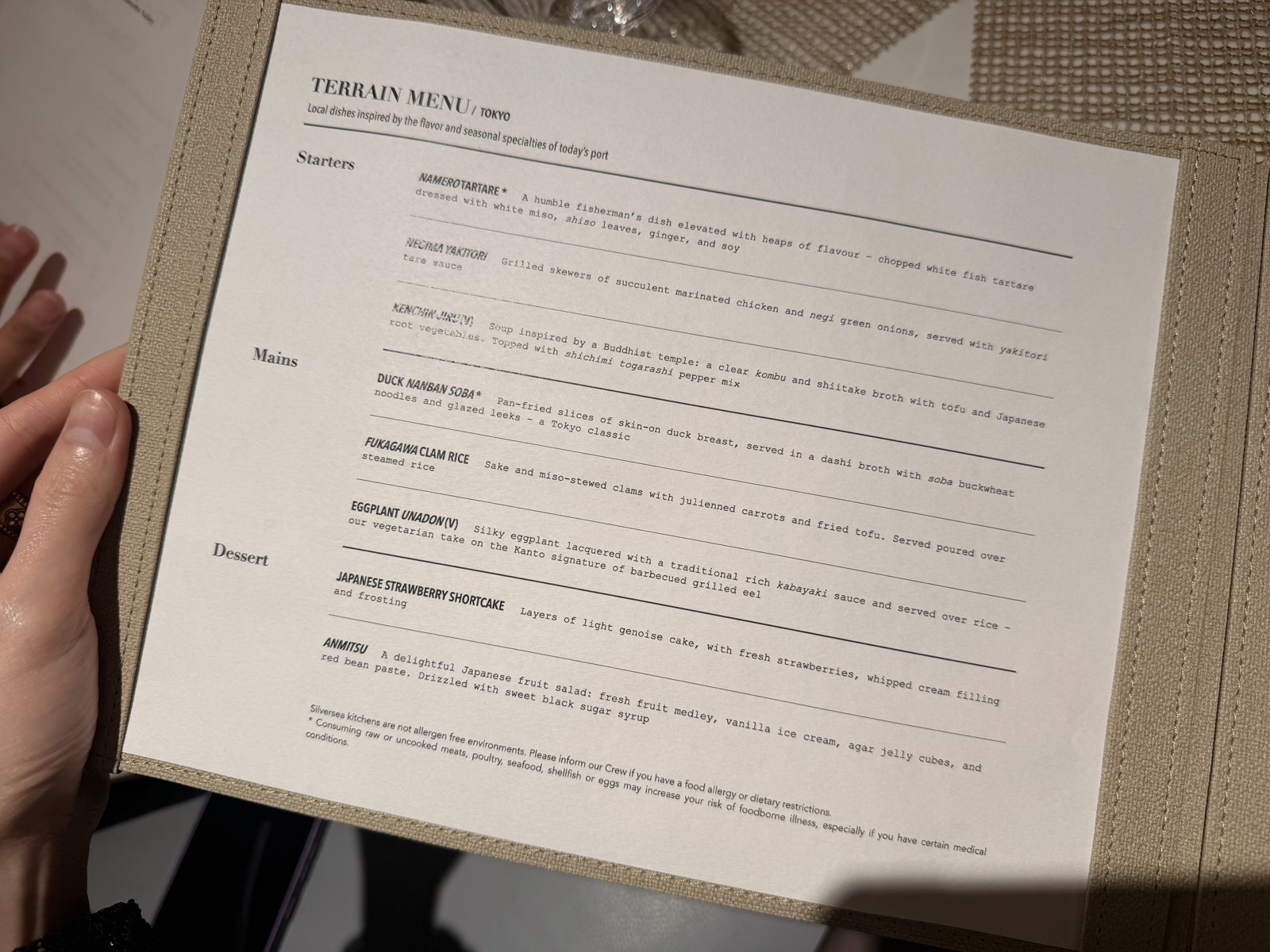
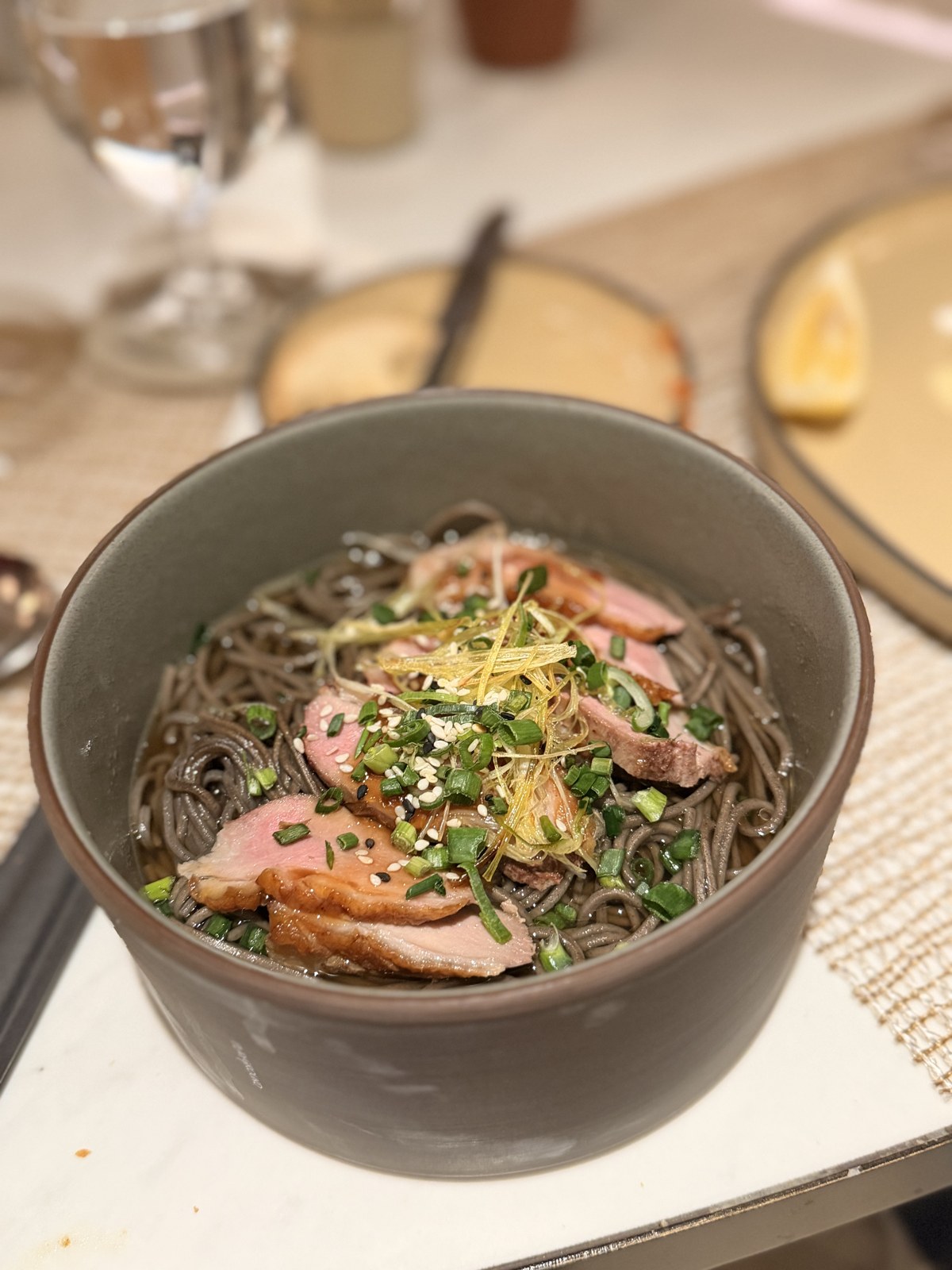
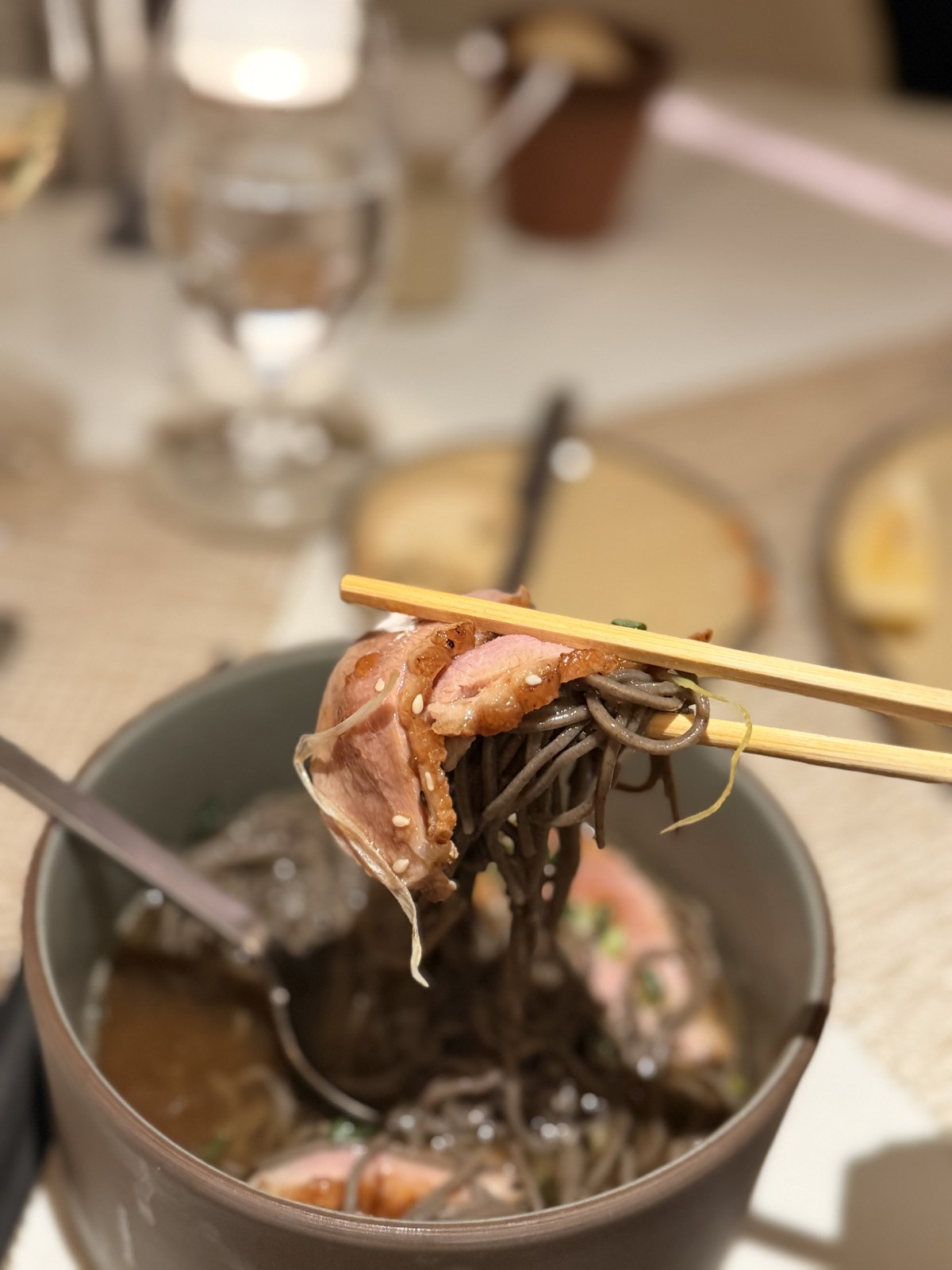
Dinner here comes with two menus. The first, Terrain, tastes of today's port: with the ship in Tokyo that day, Tokyo was what arrived at the table. Starters of Namero, white fish tartare seasoned with white miso and shiso; Negima Yakitori, charcoal-grilled skewers of chicken and scallion; and a root vegetable and tofu soup in kombu and shiitake broth. The mains were Tokyo classics — Duck Nanban Soba, Fukagawa Clam Rice with clams simmered in sake and miso, and a vegetarian "unagi don" made with eggplant in kabayaki sauce. For dessert, a Japanese strawberry shortcake and anmitsu.
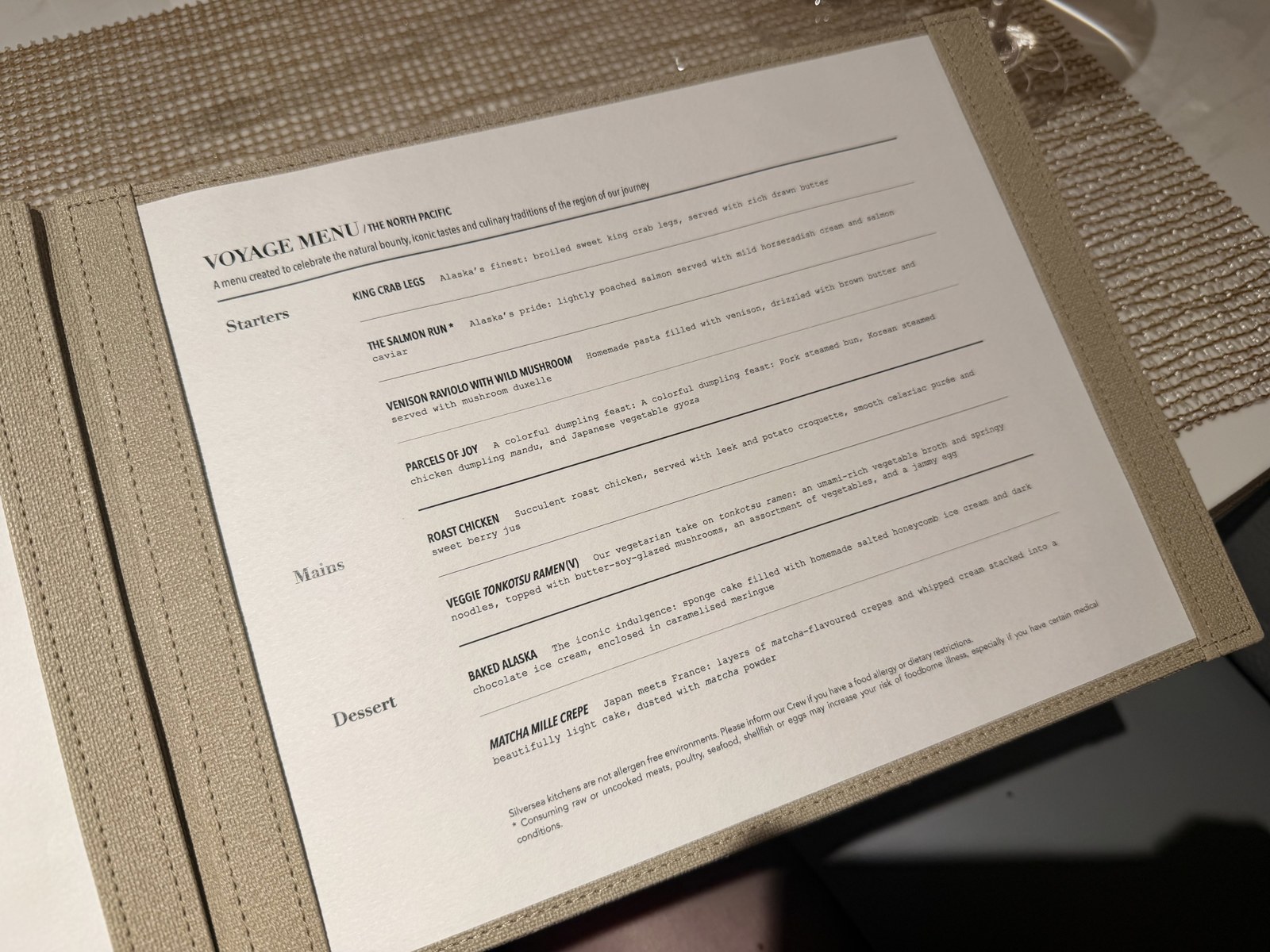
The second menu, Voyage, serves the scenery of the journey itself — the North Pacific: Alaskan king crab legs, poached salmon with salmon roe, venison and mushroom dumplings, roast chicken, a vegetarian tonkotsu-style ramen, and for dessert Baked Alaska and matcha mille crepe. Laid side by side, the two menus spread "today's city" and "the voyage ahead" across the same table — choosing what to eat became a small ceremony of its own.
First to Arrive: Bread in Terracotta Pots
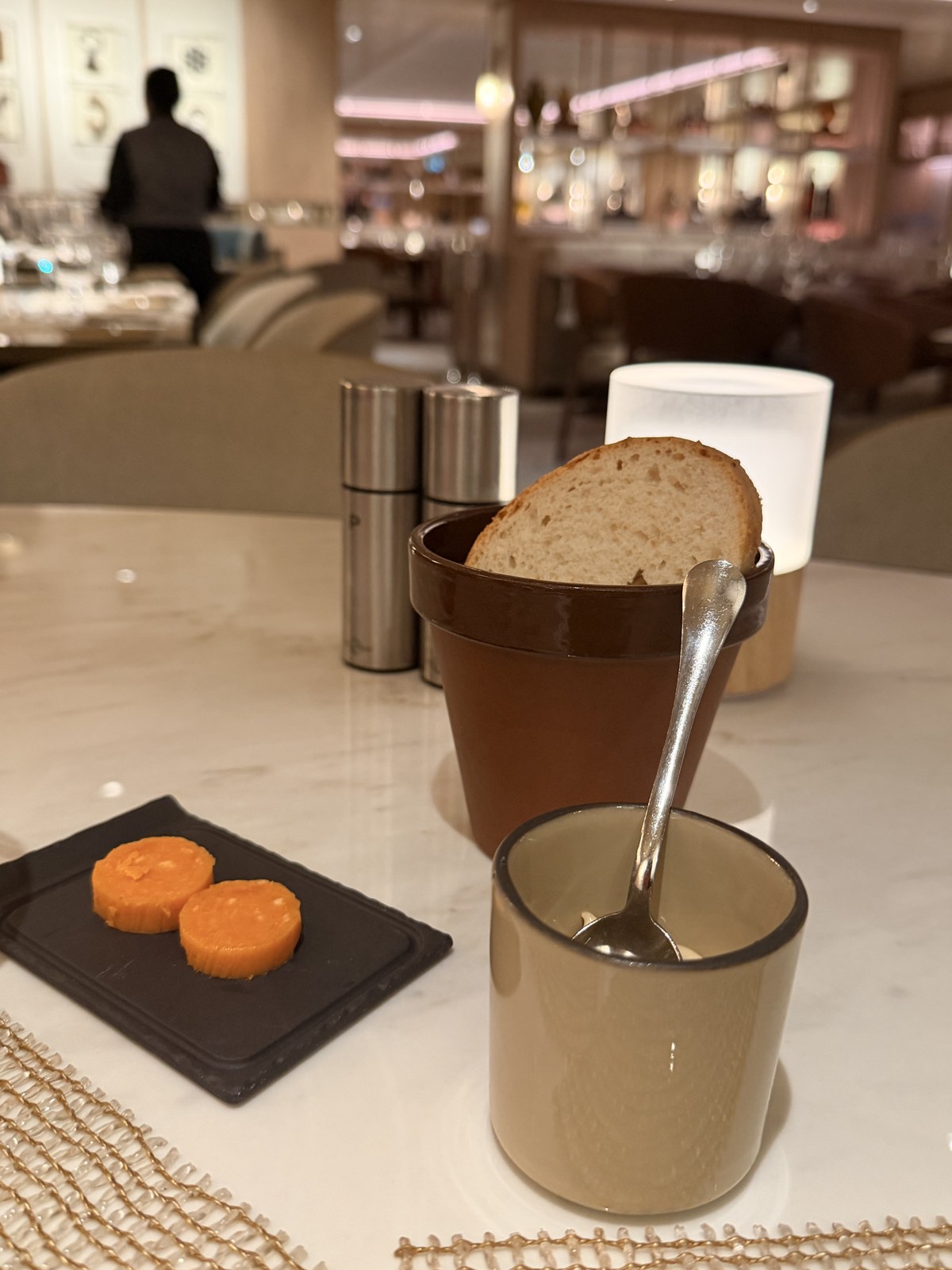
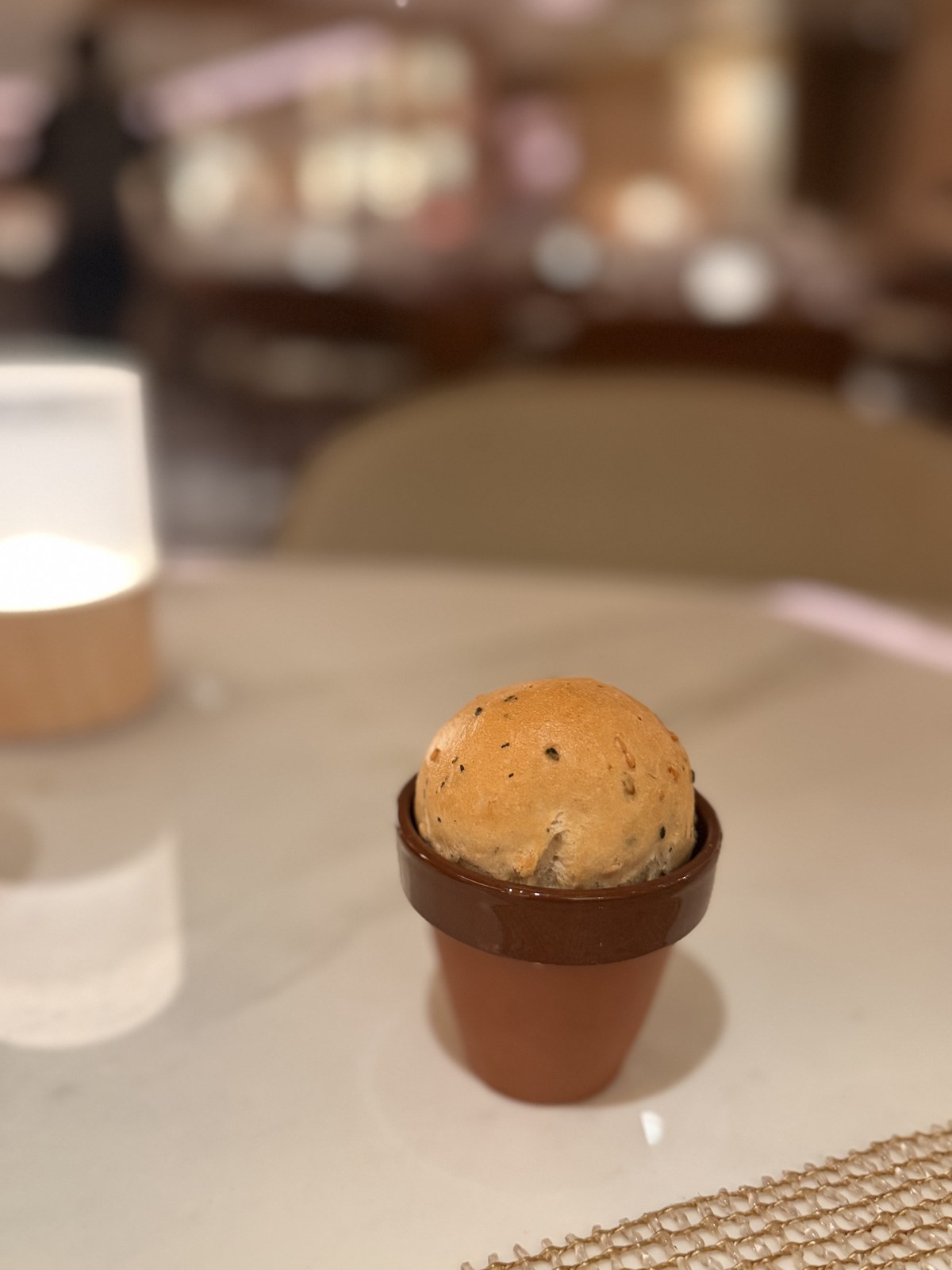
Before any dish arrived, the bread stole our attention: sliced bread and a small round loaf, each served in a little terracotta pot, like two newly planted seedlings — rustic and adorable. Beside them, orange-hued flavored butter on a stone slab and a small cup of spread. The plating here does not chase glamour; the care is hidden in the vessels, and every piece makes you look twice.
Wine: From the Pouring Wines to the Cellar List
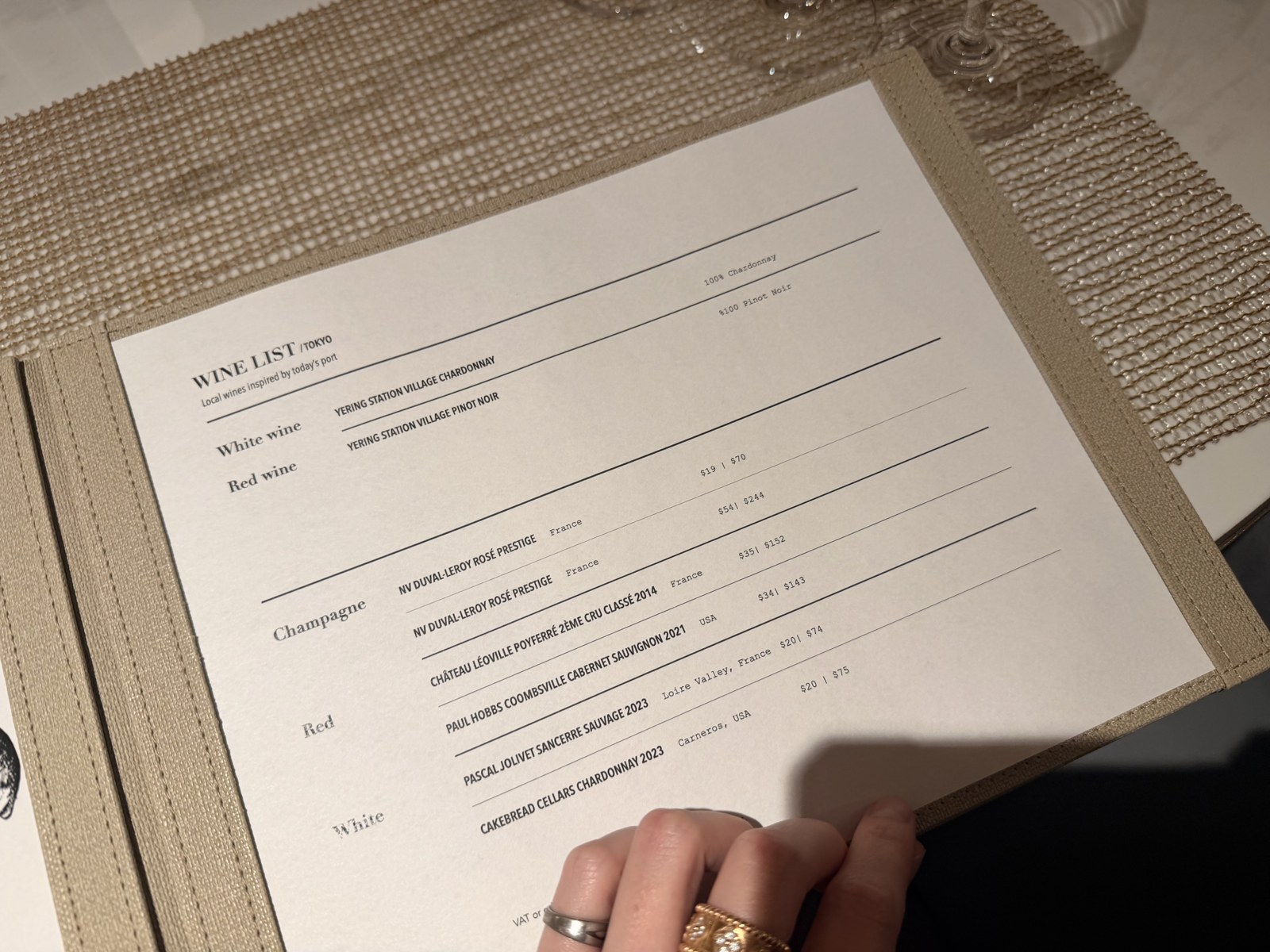
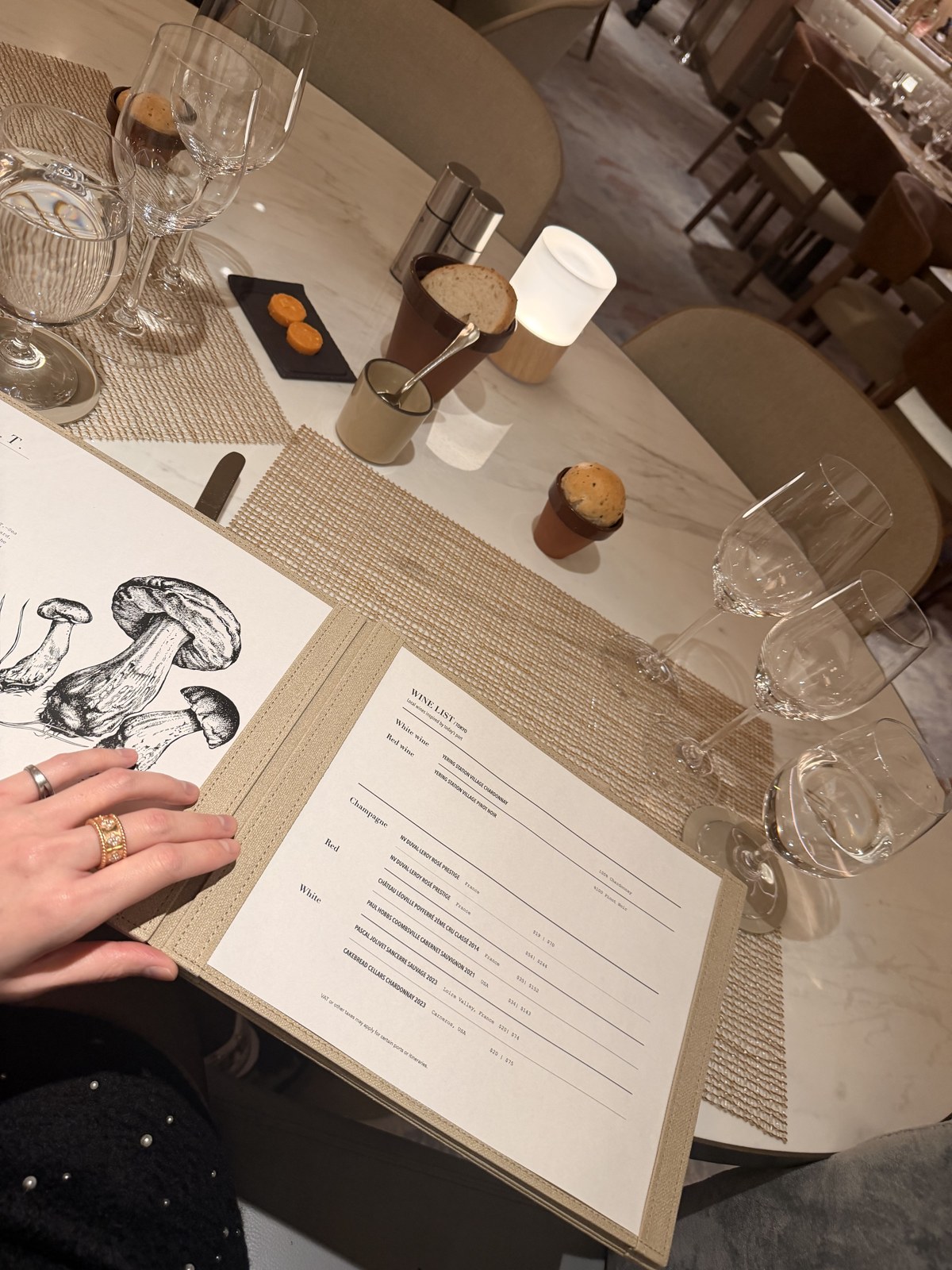
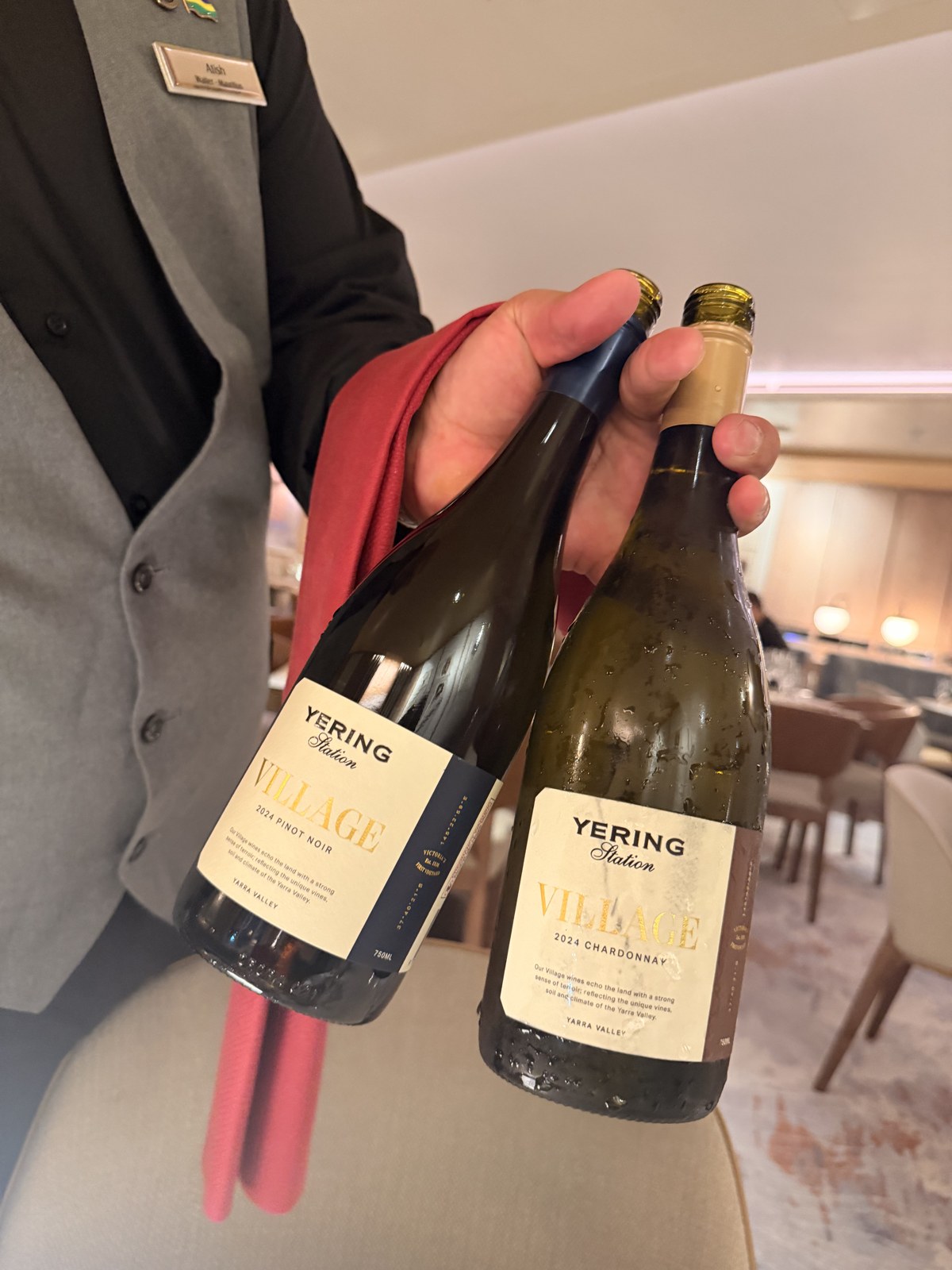
The pouring wines that night were from the Village range of Yering Station, in Australia's Yarra Valley — the 2024 Chardonnay and the 2024 Pinot Noir. A server brought both bottles to the table for us to see and to choose from; that small act of presentation made drinking feel wonderfully participatory. For something a step up, the list held a page of cellar selections: Duval-Leroy rosé Champagne, the Bordeaux second growth Château Léoville Poyferré 2014, a Cabernet Sauvignon from Paul Hobbs, Pascal Jolivet's Sancerre and Cakebread's Chardonnay — by the glass, roughly US$19 to 54. That evening we mostly stayed with the pouring white: crisp, clean, and just right with seafood.
Starters: Charcoal, the Sea, and Brightness
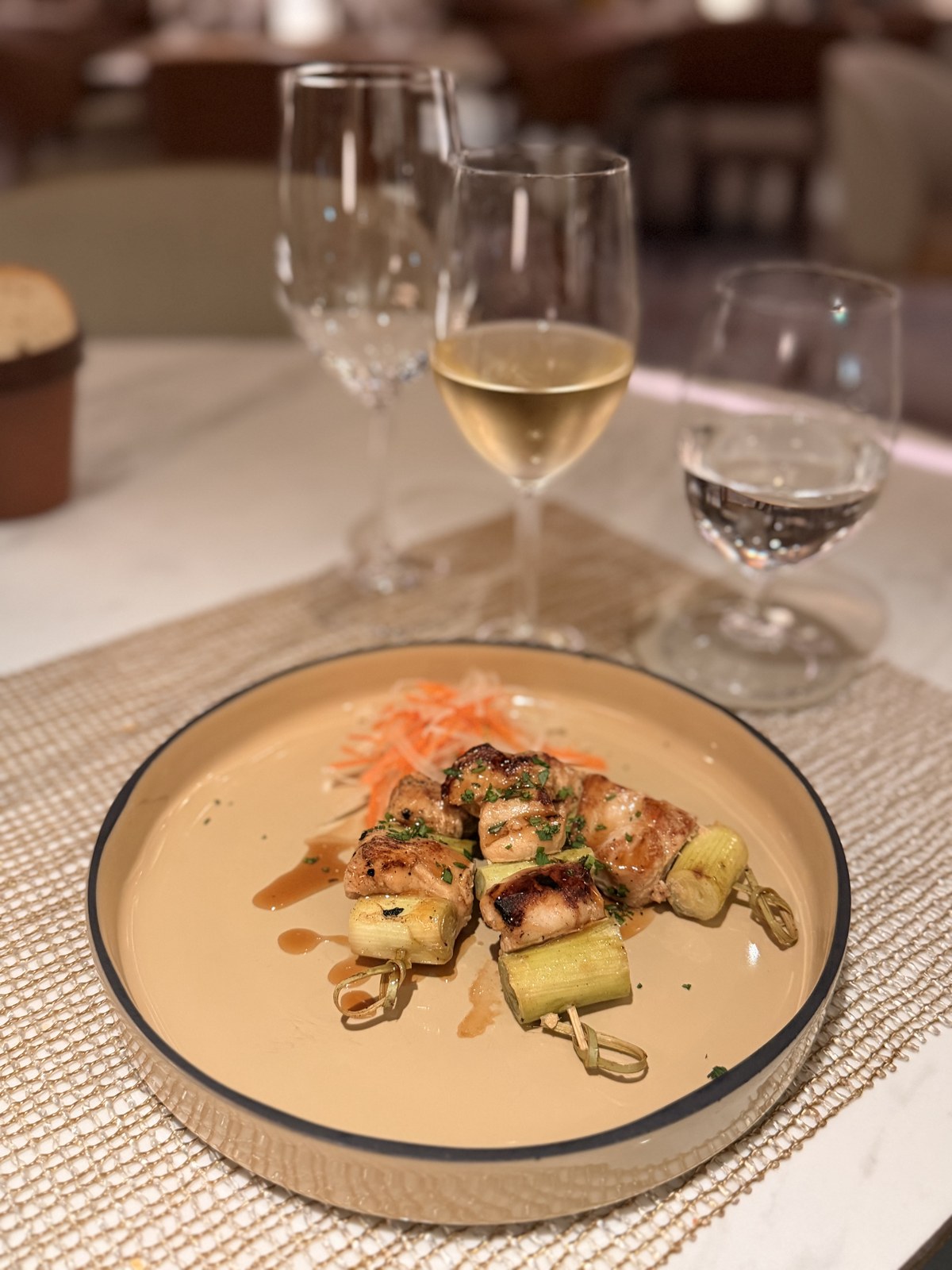
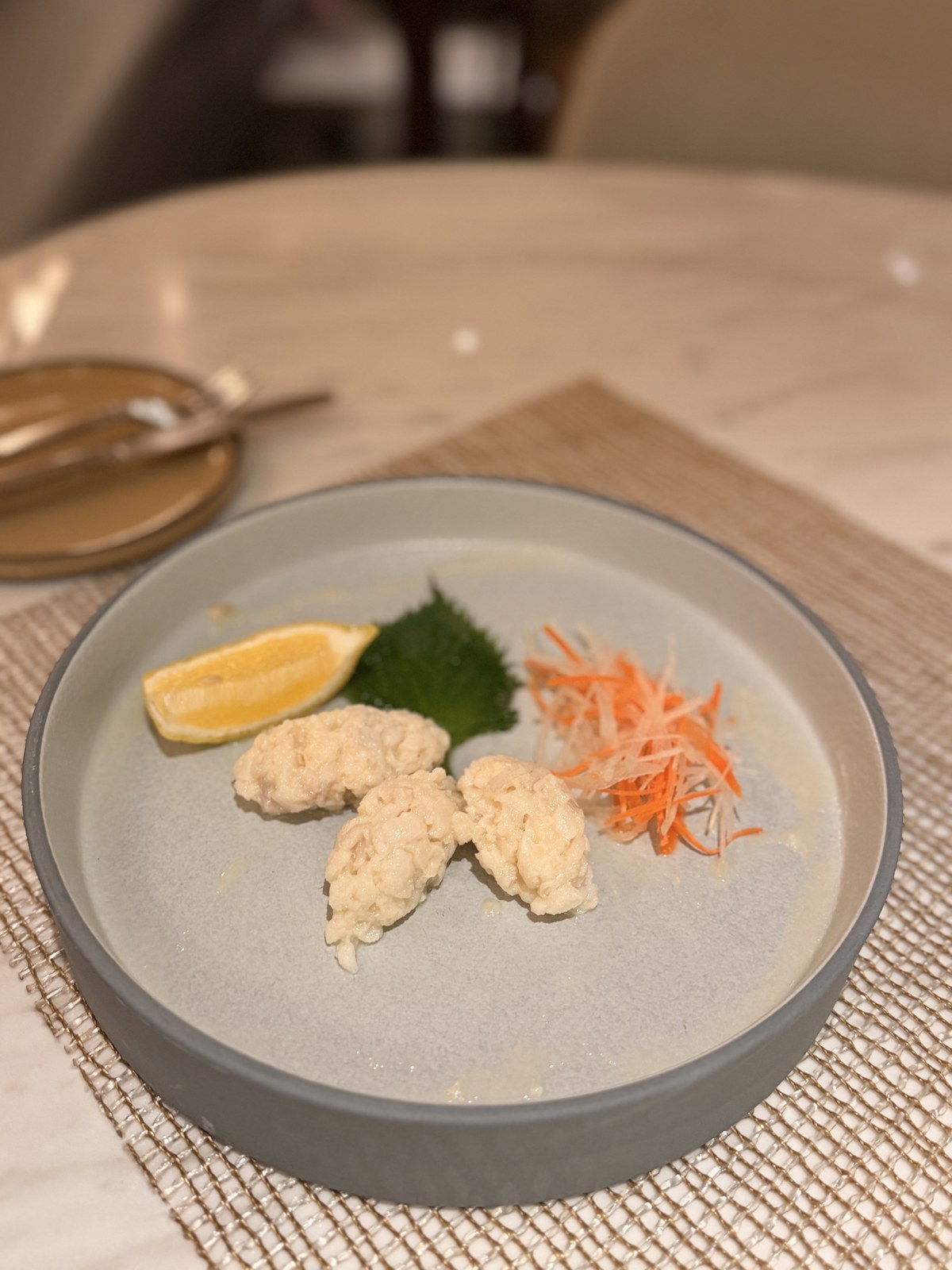
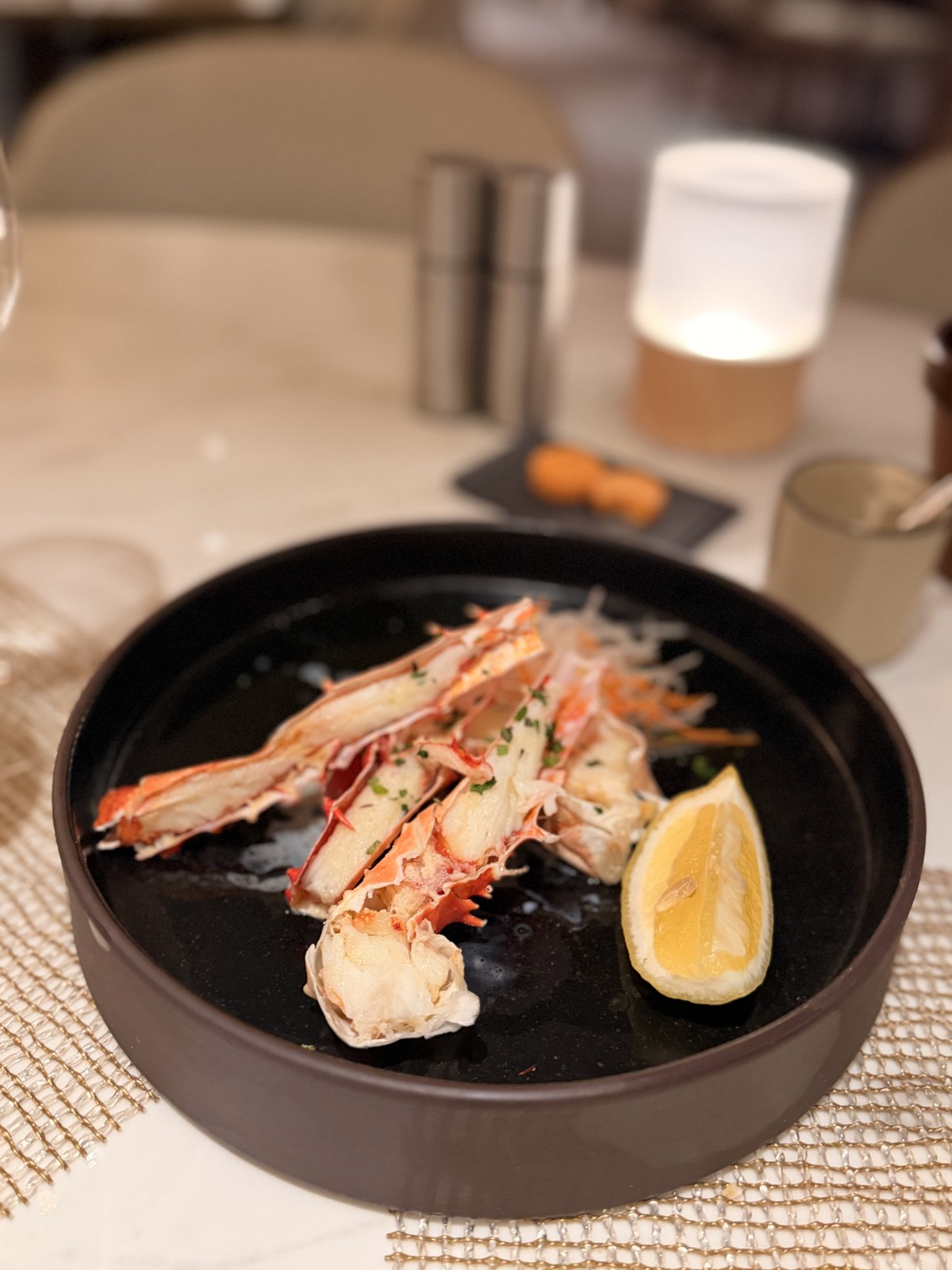
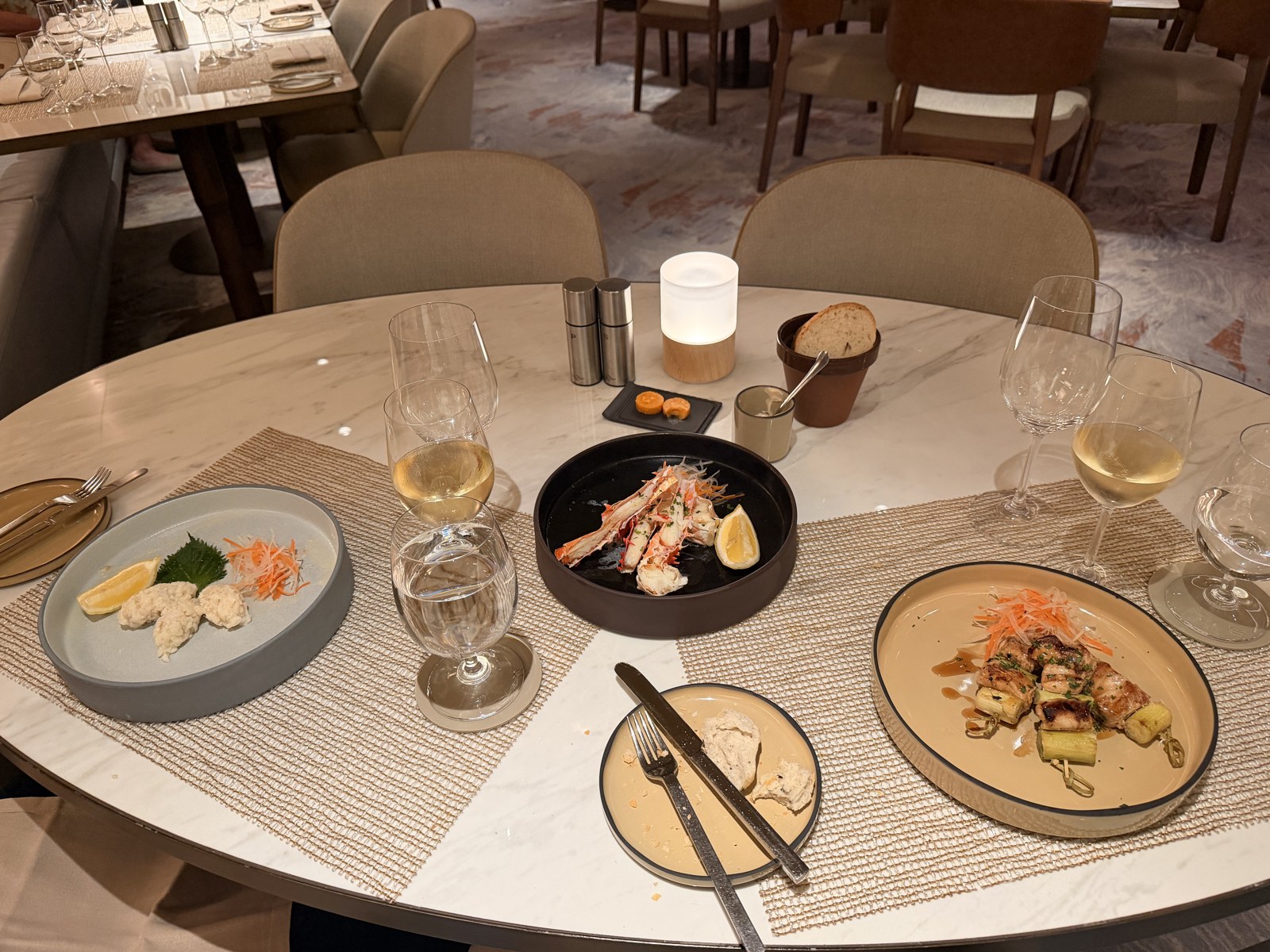
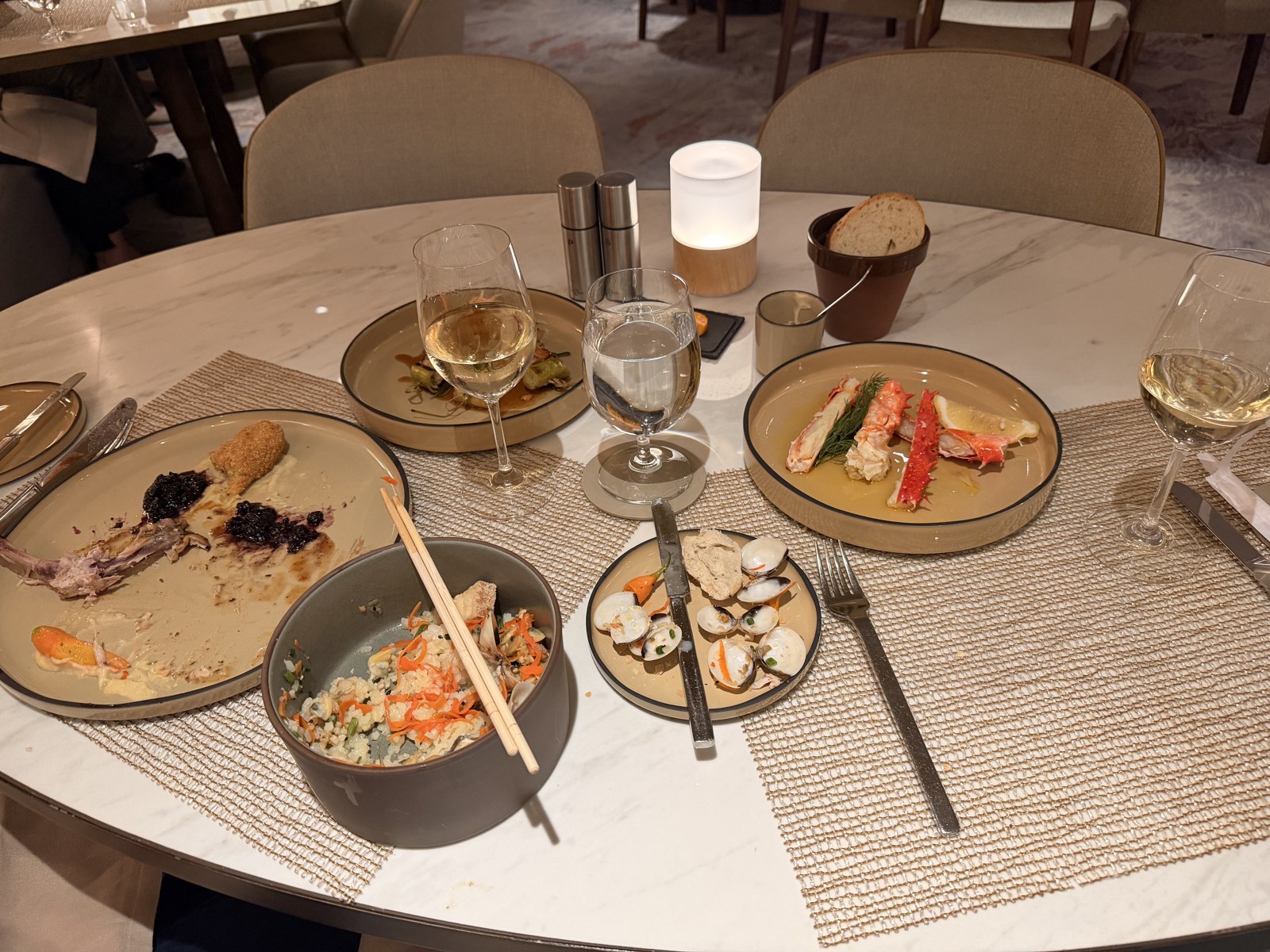
We picked from both menus and shared everything. Three starters came first. Negima Yakitori — skewers of chicken and scallion grilled over charcoal, the sauce lacquered to a shine; a glass of white beside it was all it needed. Namero Tartare — white fish minced into a tartare, seasoned with white miso, shiso and ginger, shaped into three small mounds and served with lemon and a shiso leaf: bright and refreshing, yet carrying the depth of miso. Most commanding of all was the Voyage menu's king crab legs — grilled, split in half in a black dish, the meat plump; a squeeze of lemon is enough, and the sweetness speaks for itself. Every seasoning was kept clean, every timing precise — refined cooking, genuinely delicious. When the three plates landed together, the whole table suddenly felt abundant.
Mains: A Bowl of Soba, a Pot of Clam Rice
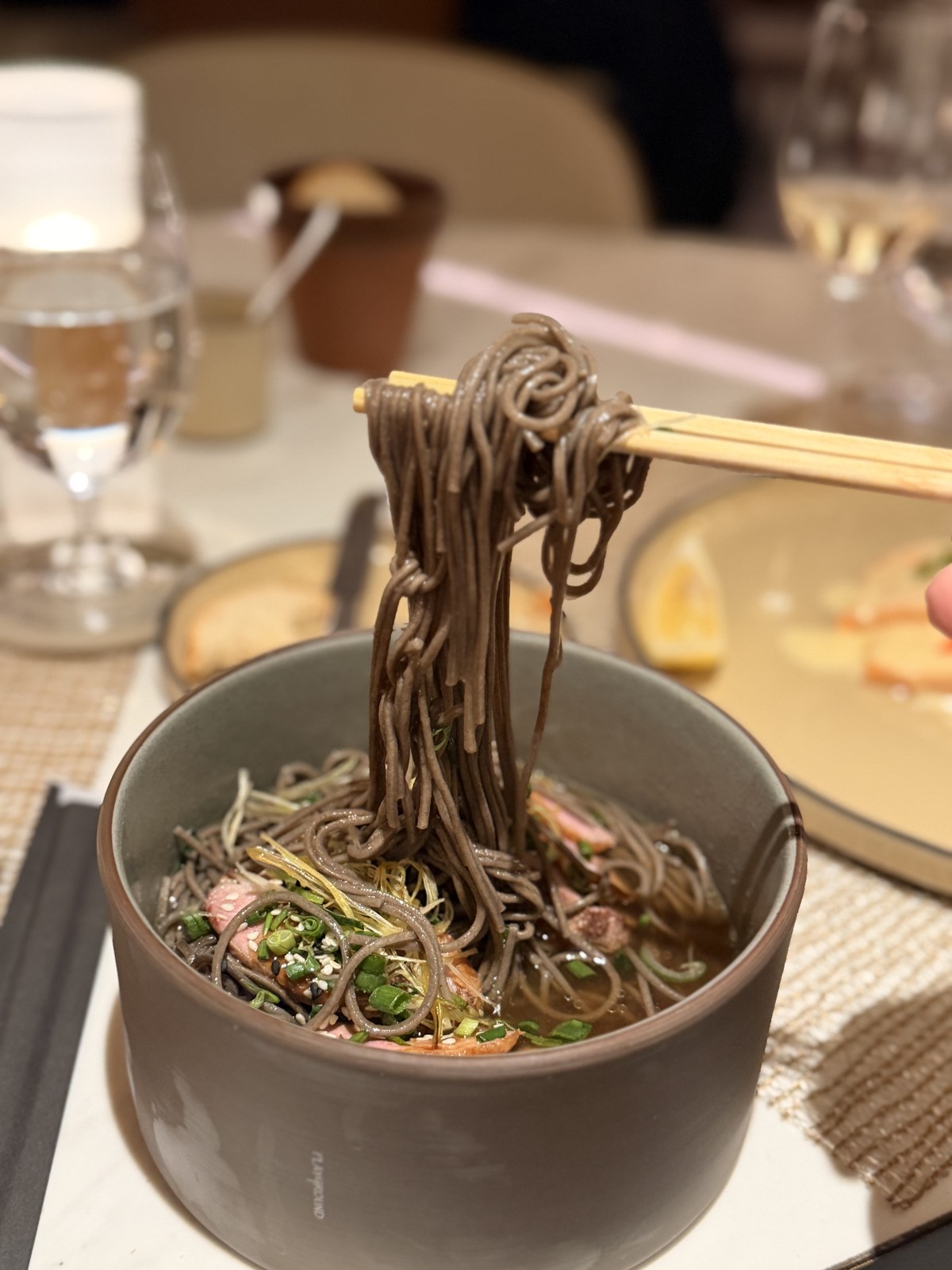
Of the mains, my favorite was the Duck Nanban Soba: duck breast seared to crisp skin and blushing meat, laid over soba noodles in a clear dashi broth, scattered with scallions, sesame and crisped scallion threads. The moment I lifted the noodles high with chopsticks, steam and aroma rose together — on our first night out of Tokyo, a bowl like this felt like tucking the city's flavor safely into my stomach before sailing on.
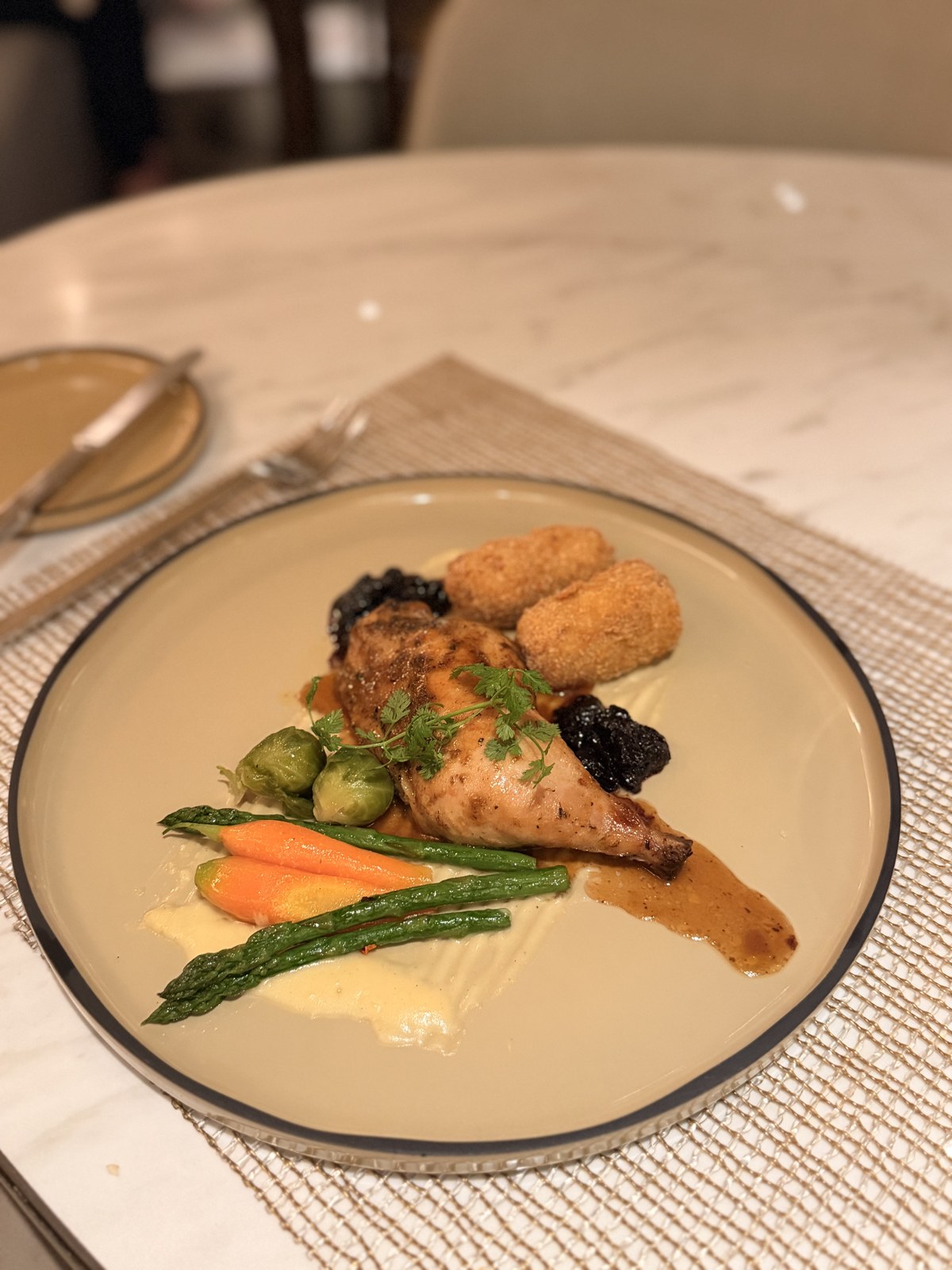
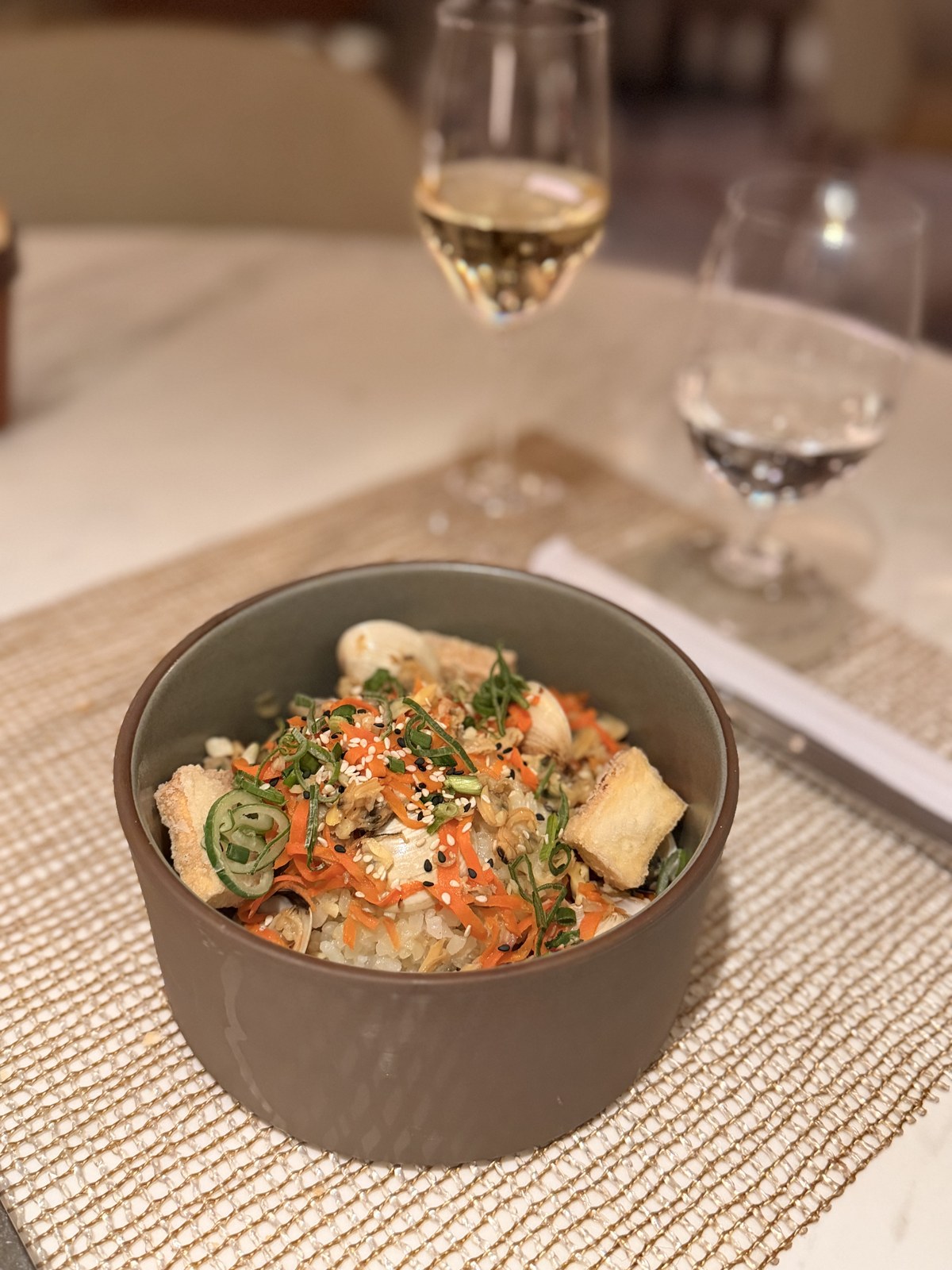
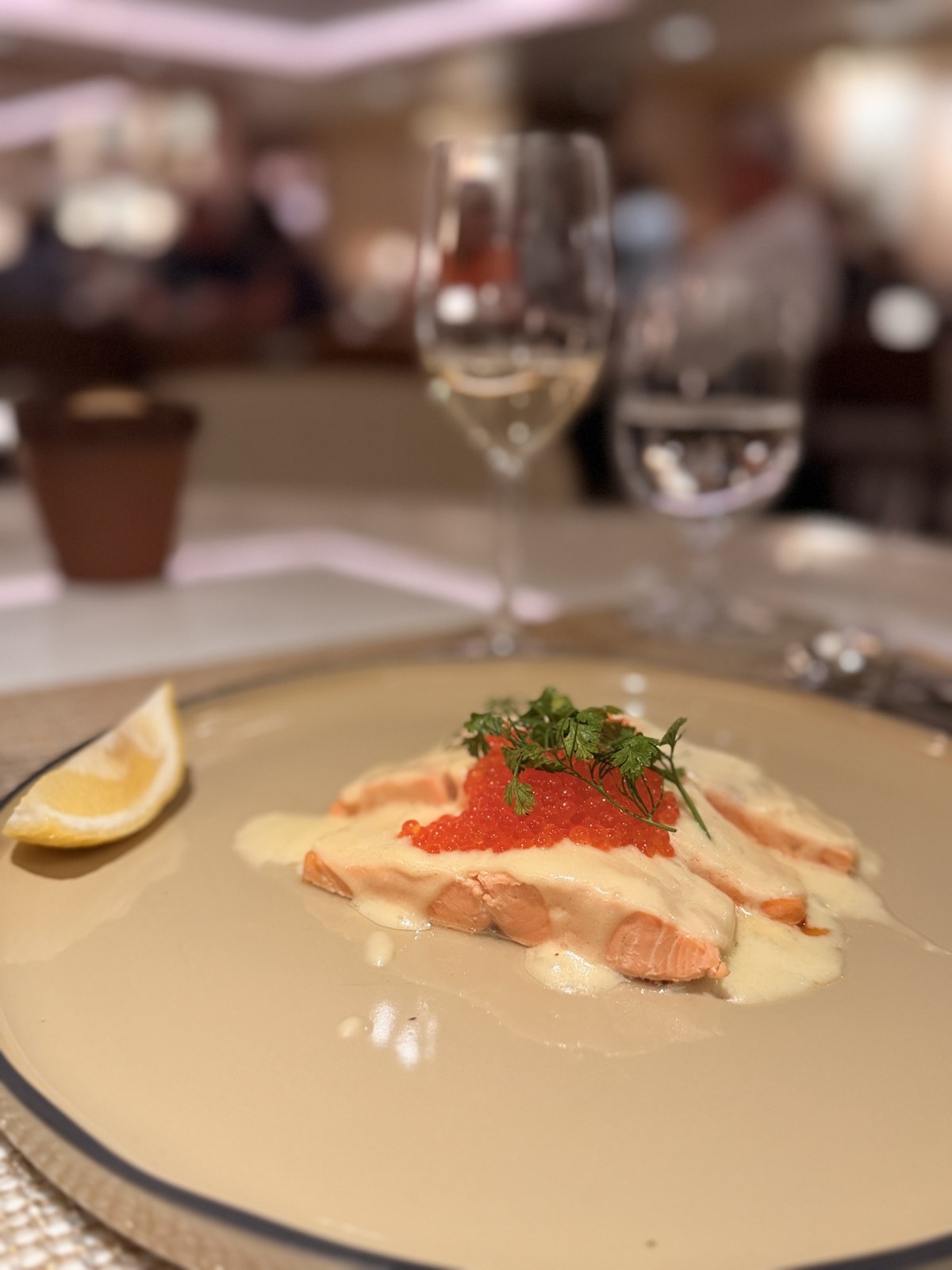
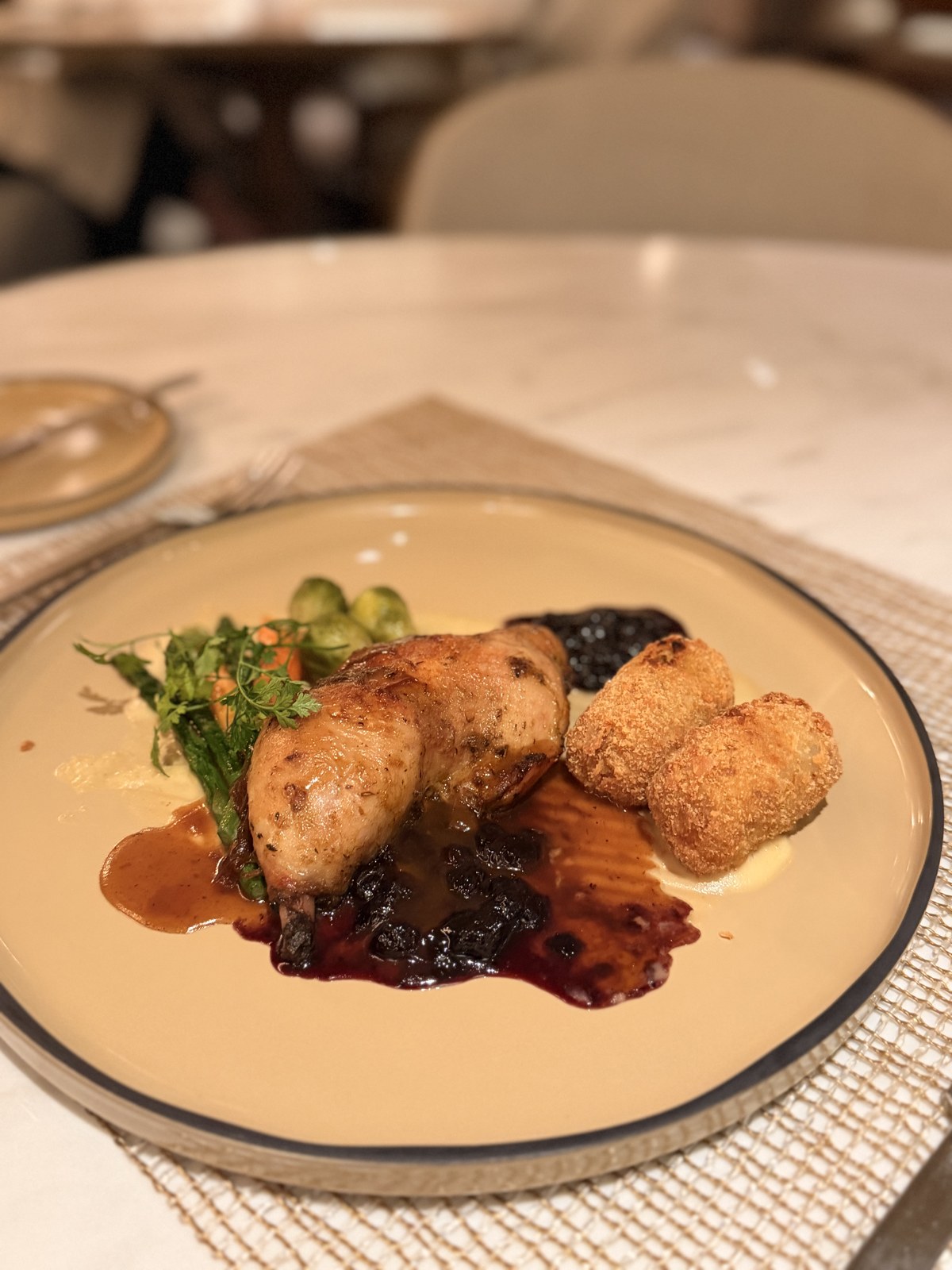
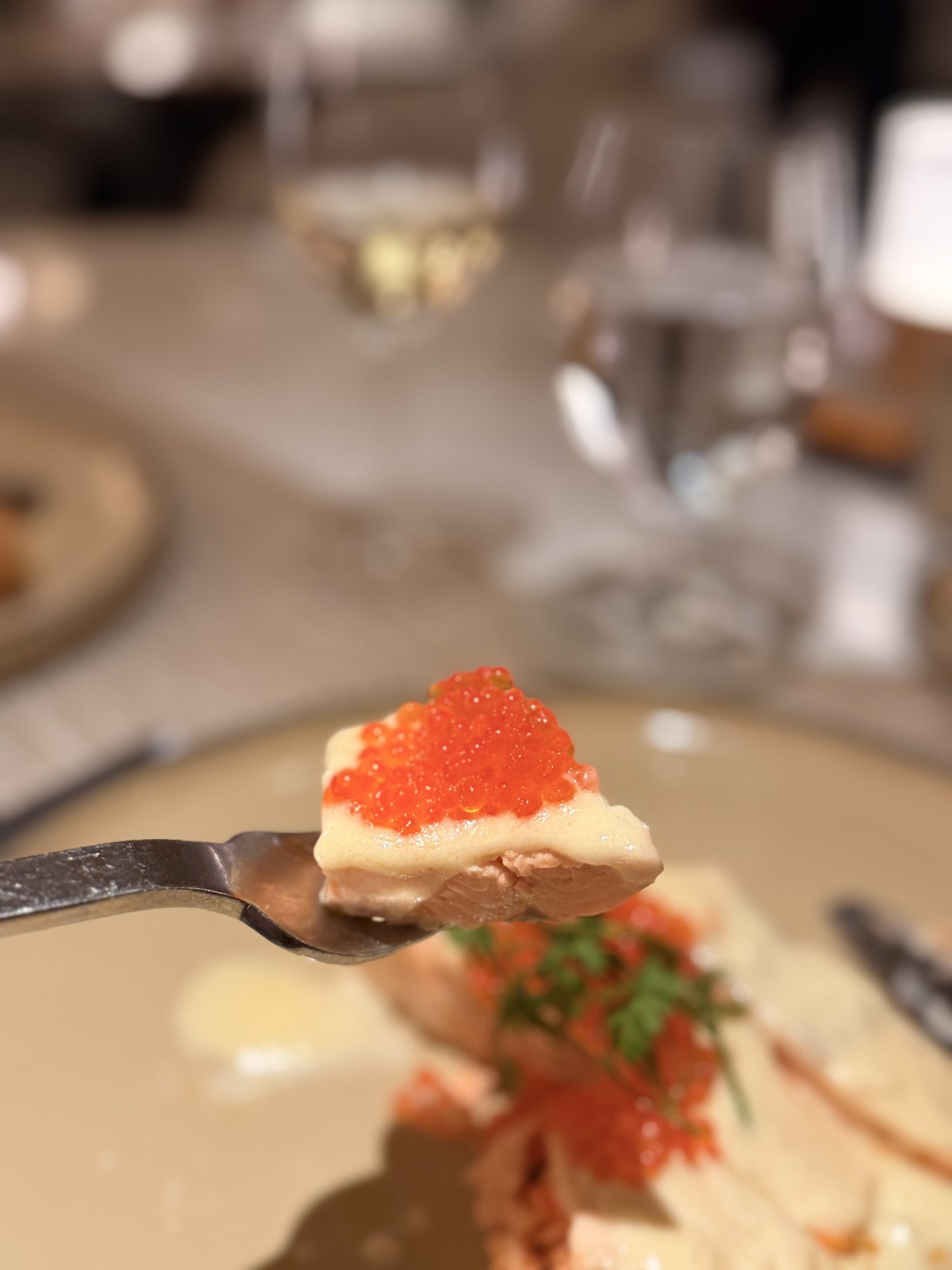
The Fukagawa Clam Rice came in a clay bowl: clams simmered in sake and miso, spooned over white rice with fried tofu, shredded carrot and scallions — the home cooking of old Edo. The Voyage roast chicken deserves a mention too: a golden chicken leg with potato croquettes, Brussels sprouts and root vegetable purée, finished with a dark berry sauce, balanced neatly between sweet and savory. And The Salmon Run — salmon gently poached, laid under horseradish cream and a generous spoonful of roe; take a bite with a fork and the roe bursts one by one. That is the freshness of the North Pacific.
Dessert: We Ordered All Three
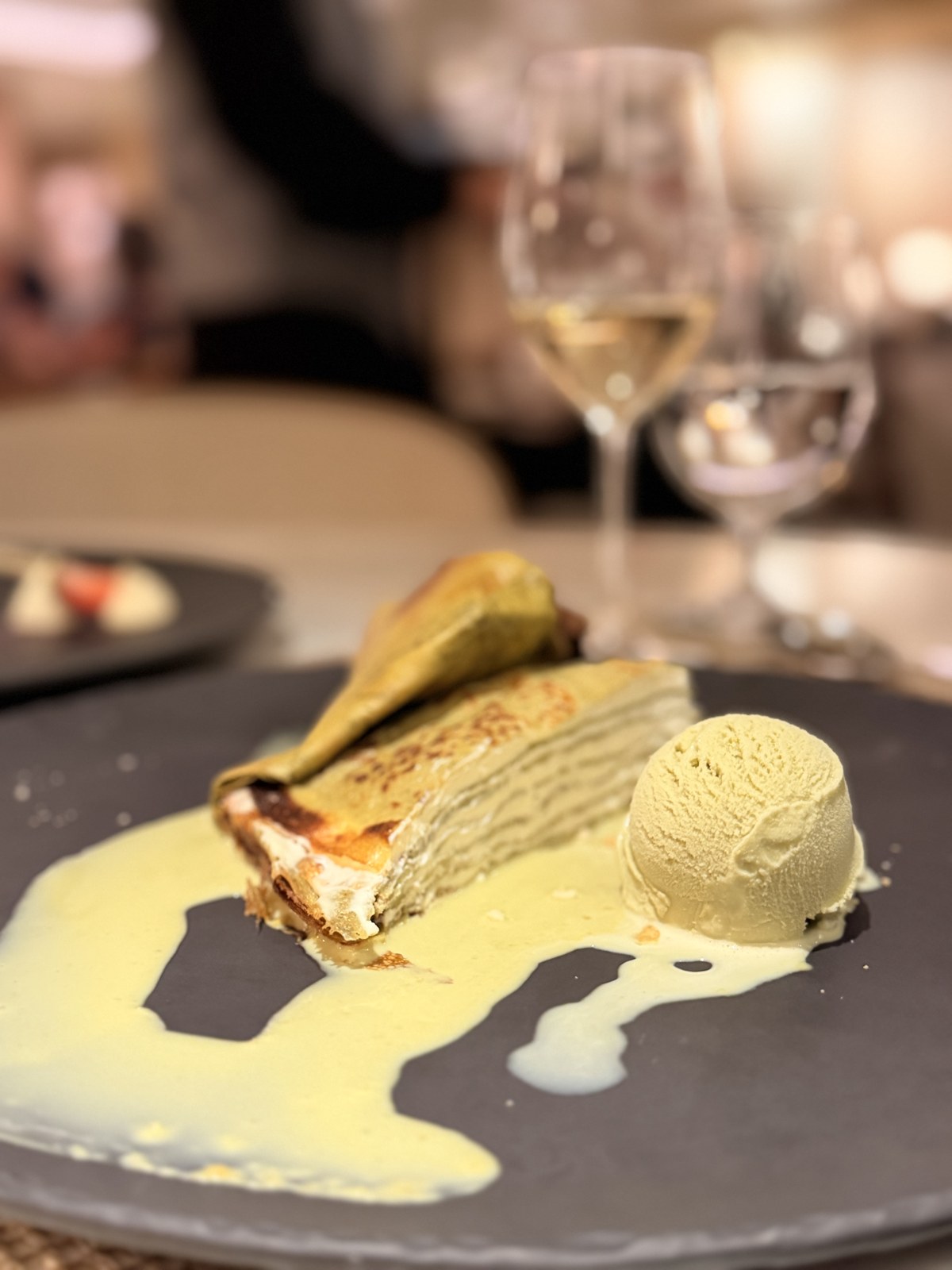
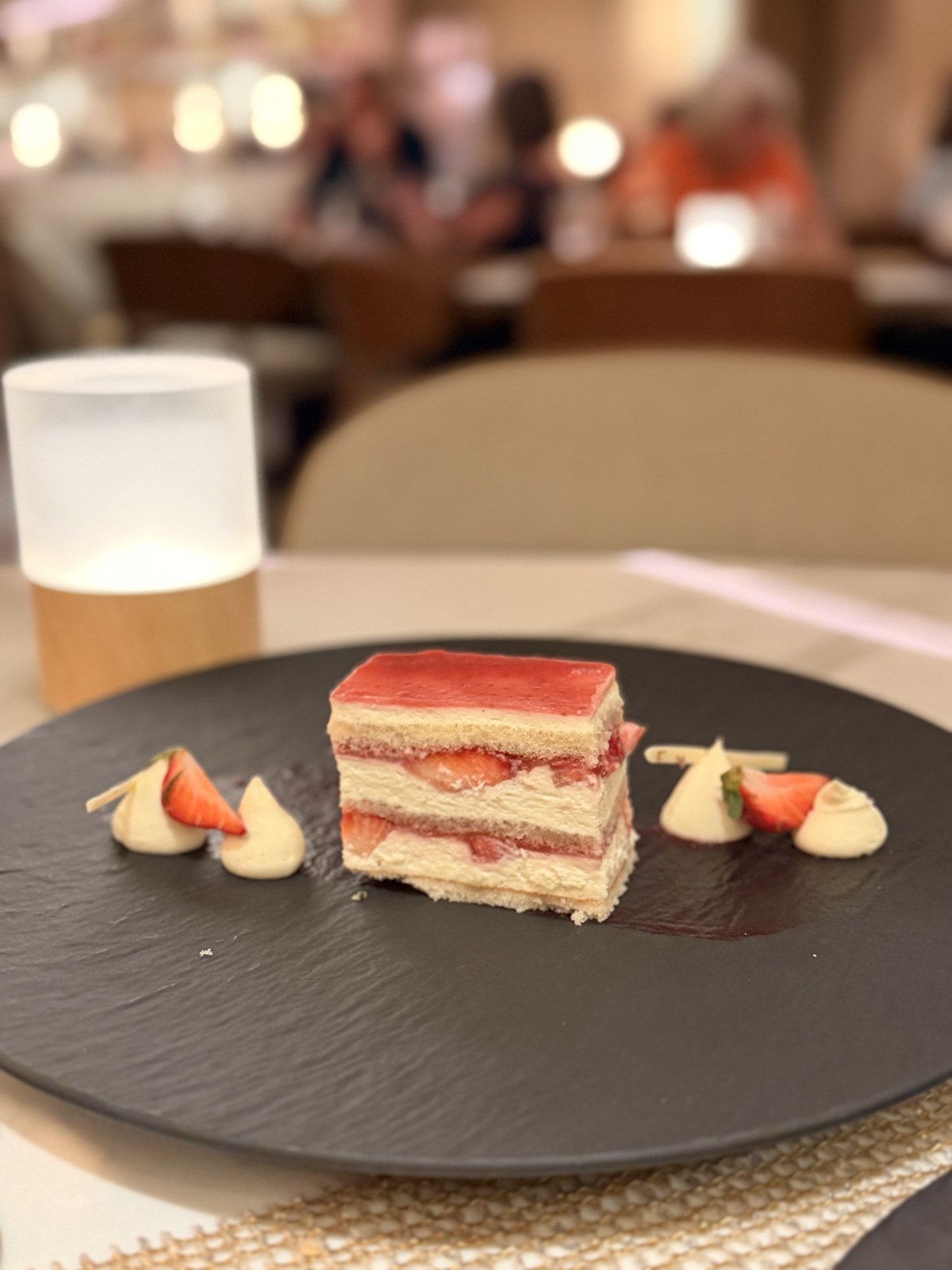
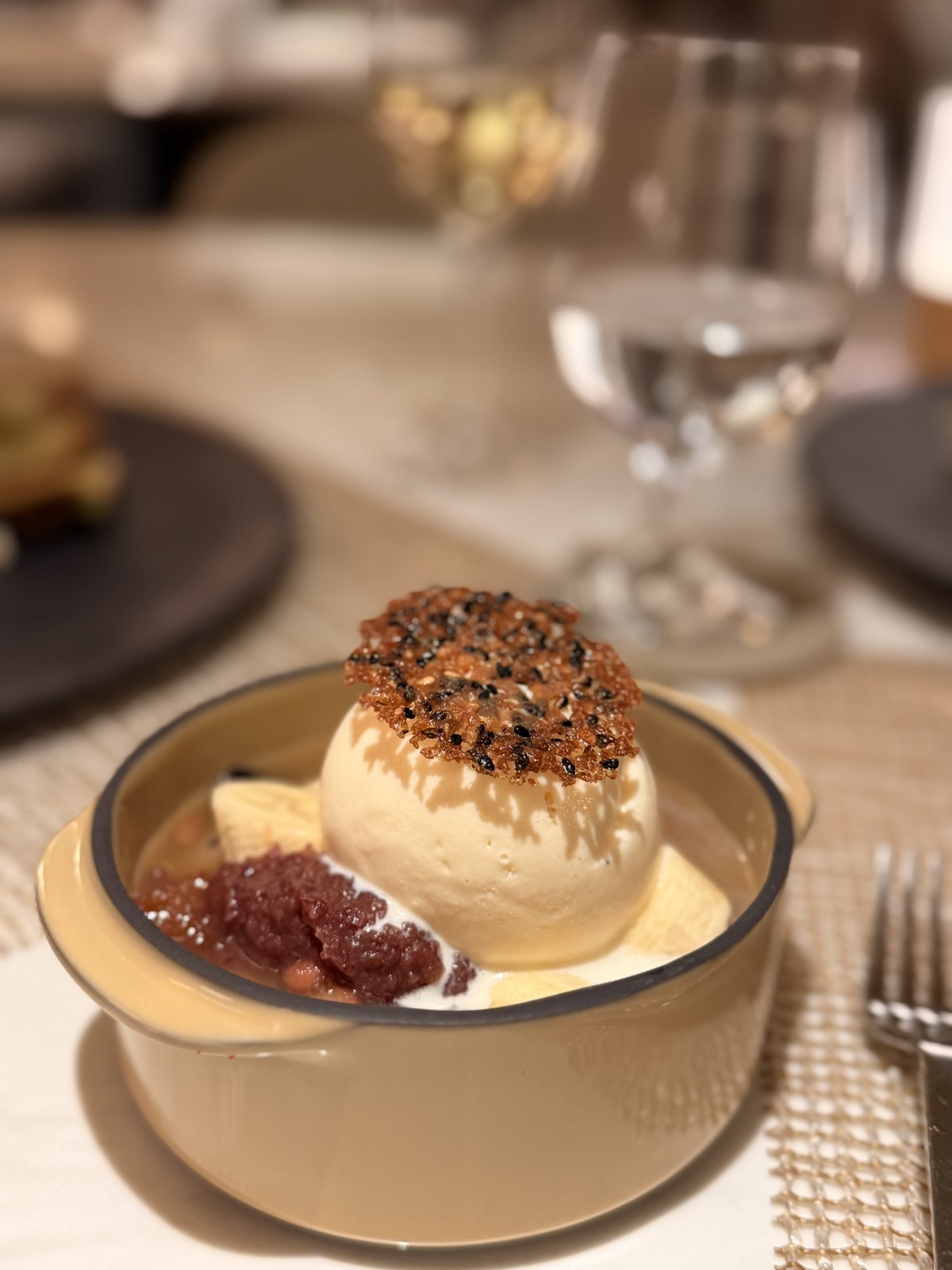
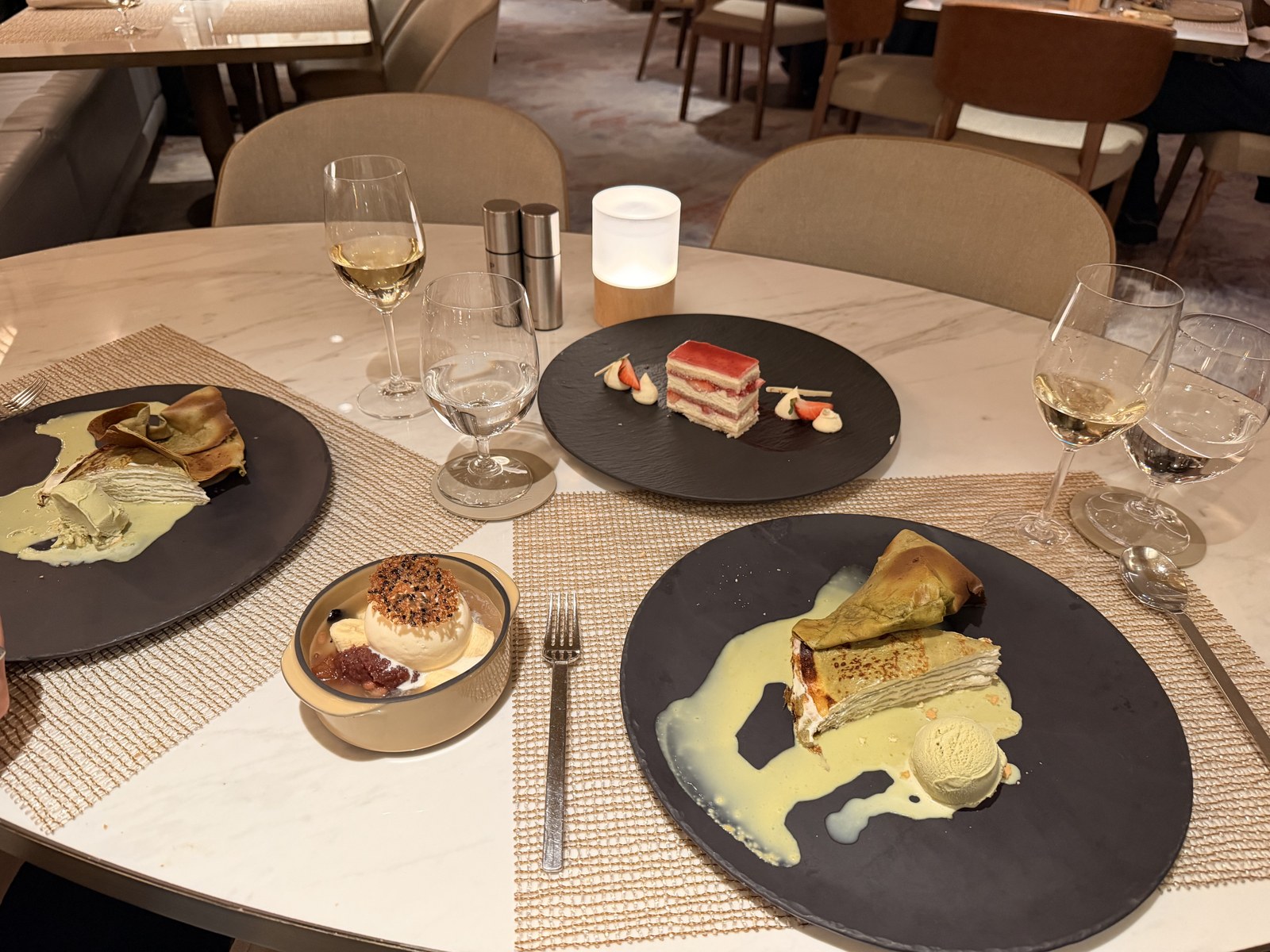
We did not hold back on dessert — the signatures of both menus nearly all arrived. The matcha mille crepe showed every layer, with a scoop of matcha ice cream and a matcha sauce, the tea flavor full and deep. The Japanese strawberry shortcake was cut in clean lines, strawberries and cream stacked layer upon layer — the classic look of a Tokyo Western-style cake shop. The anmitsu came in a small bowl: vanilla ice cream topped with a sesame tuile, red bean paste alongside — a clean, refreshing finish. When the three desserts were spread across the table, that, I think, was the very picture of first-night happiness. The desserts surprised me most of all: not the perfunctory sweets a ship's restaurant tacks on at the end, but each one made with care — real quality.
Epilogue: Warmer Than the Food, the People
Writing about this night, what I want to remember is not only the food. The staff here were so warm — and so full of energy: carrying the bottles to the table so we could choose at leisure, introducing each dish carefully as it arrived, always passing by with a smile. Because of them, the whole dining room came alive. The food and wine were already good; what turned this meal into happiness was the feeling of being genuinely looked after.
And it welcomes families: the room is spacious, the mood relaxed, and the menu runs from skewers to noodles, rice and roast chicken. No reservation, no dressing up, no sitting on ceremony — walk in with your family and simply eat well. To begin the first night of a voyage with a meal like this felt, to me, exactly right.
— ARY
Good to Know
Restaurant: S.A.L.T. Kitchen (Deck 4)
The Idea: Part of the S.A.L.T. (Sea and Land Taste) program — Silver Moon was the first ship to introduce it — with menus that change with the port and the voyage: Terrain tastes of today's port, Voyage of the journey's scenery.
Cost: Complimentary (pouring wines included; cellar selections ordered separately, by the glass at about US$19–54).
Reservations: Not needed — walk-ins welcome.
Score: 98 / 100 — the author's rating.